
End the Stigma. End the Silence. End Overdose.
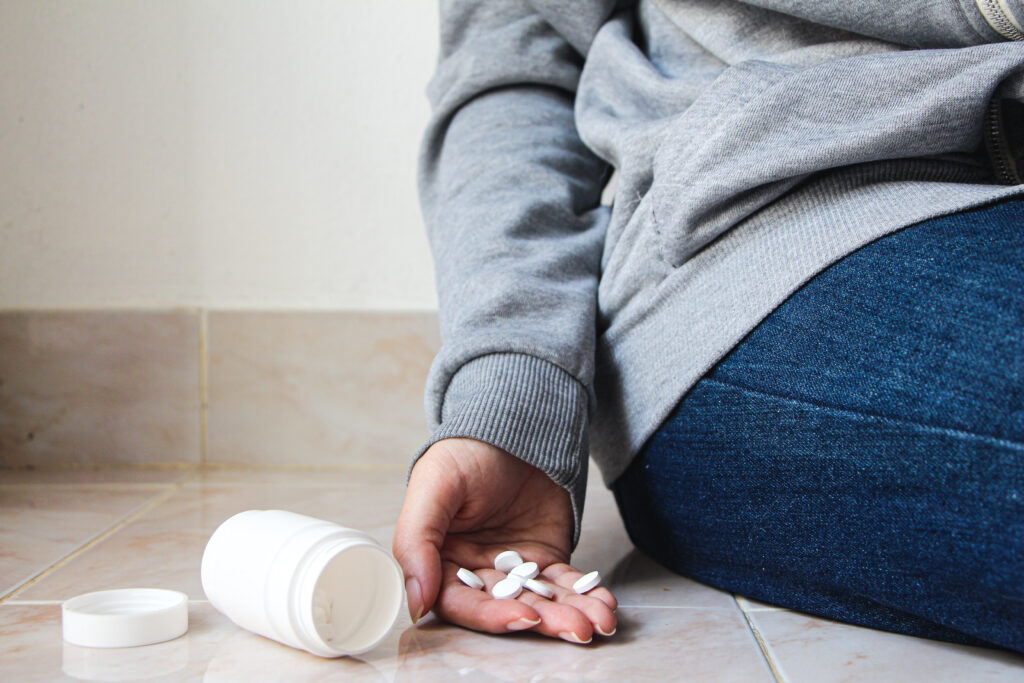
Most overdoses don’t happen in an alley. They happen at home, at a family gathering, in a parked car, in a bedroom down the hall. Almost always, they happen with someone else nearby.
That’s the part worth sitting with. In most cases, someone was close enough to help.
So why doesn’t help always come in time? Sometimes people don’t recognize what they’re seeing. Someone looks like they’ve passed out, and it seems kinder to let them sleep it off. And sometimes people do recognize it, but they hesitate – afraid of getting someone in trouble, afraid of being judged, afraid of what calling 911 might set in motion.
That hesitation is what stigma costs us. It’s measured in minutes, and minutes are what matter in an overdose.
Knowing the signs takes about five minutes to learn. Here’s what to look for.
What an overdose looks like
Someone who is very intoxicated might be hard to wake, but they’ll respond if you shake them or say their name loudly. Someone who is overdosing will not.
Signs that someone is overdosing:
- They won’t wake up. You can shout their name, shake them, or rub your knuckles firmly on their breastbone, and they don’t respond.
- Their breathing is slow, shallow, or has stopped. This is the most important sign. Opioids slow breathing down until it stops.
- They’re making choking, gurgling, or snoring sounds. People sometimes mistake this for sleeping. It isn’t. It means the airway is blocked.
- Their lips or fingernails look blue, gray, or purple. On darker skin, look at the lips, gums, and fingernails – the color change shows there first.
- Their skin is pale, ashen, cold, or clammy.
- Their body is limp.
- Their pupils are very small – pinpoint-sized, even in a dim room.
When in doubt, act. You don’t have to be certain. You don’t need to know what someone took. If you can’t wake them and their breathing doesn’t look right, treat it as an overdose.
What to do
- Try to wake them. Say their name loudly. Rub your knuckles hard on their breastbone. If they don’t respond, keep going.
- Call 911. Say that someone is unresponsive and not breathing normally. Give the address clearly.
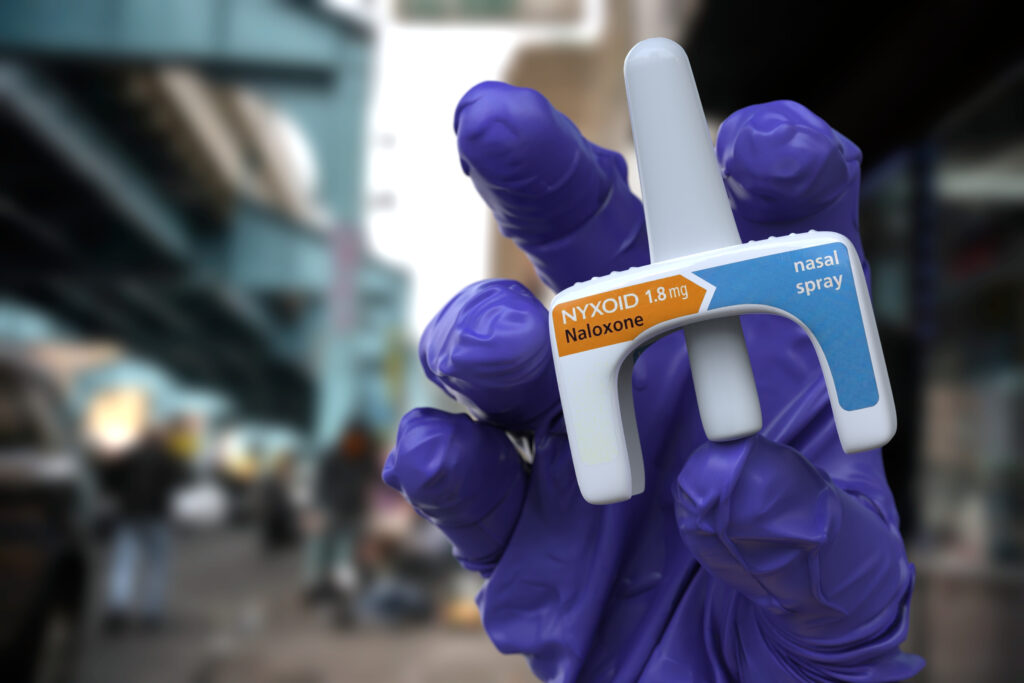
- Give naloxone if you have it. Naloxone (also called Narcan) is a nasal spray that reverses an opioid overdose. Spray it into one nostril. If there’s no change after two to three minutes, give a second dose in the other nostril.
- Help them breath. If they aren’t breathing, tilt their head back, lift the chin, and give one rescue breath every five seconds. Oxygen is the thing that keeps the brain safe while you wait.
- Put them on their side. Once they’re breathing on their own, roll them onto their side so they don’t choke if they vomit.
- Stay with them. Naloxone wears off in 30 to 90 minutes, and the overdose can come back after it does. Stay until help arrives.
When someone wakes up from naloxone, they may be confused, sick, frightened, or upset. That’s the medication, not the person. Be gentle. Tell them what happened and that they’re safe.
About Naloxone
Naloxone is one of the few emergency medications that is nearly impossible to use wrong.
- It’s safe. If the person didn’t take opioids, naloxone does nothing at all. It causes no harm. That means there’s no reason to hold back if you aren’t sure.
- Anyone can give it. No training, no certification, no medical background required. The nasal spray comes with instructions on the box.
- It works on fentanyl. Fentanyl overdoses can be reversed. Because fentanyl is strong, more than one dose is often needed – so give a second dose of the first doesn’t work.
- It’s not a substitute for 911. Naloxone buys time, but it doesn’t end the emergency.
Where to get it in Washington
- Any pharmacy. No prescription needed. Apple Health (Medicaid) covers it with no copay, and most other insurance covers it too.
- Free, by mail. Washington residents can order free naloxone delivered to their home.
- Free, near you. The Washington State Department of Health Naloxone Finder lists local sites that give it away: doh.wa.gov.
If someone in your life uses opioids – or takes any pills that didn’t come from a pharmacy – carrying naloxone is a reasonable thing to do. Keep it in a bag, a glove box, a kitchen drawer.
One more thing about pills
A large share of overdoses now involve people who didn’t think they were taking opioids at all.
Counterfeit pills made to look like prescription medications — Percocet, OxyContin, Xanax, Adderall — frequently contain fentanyl. Fentanyl has also shown up in methamphetamine and cocaine. You can’t see it, smell it, or taste it, and the amount varies from one pill to the next.
This is why the advice is the same regardless of what someone took: if you can’t wake them and their breathing is wrong, call 911 and give naloxone.
Calling 911 will not get you arrested for drugs
This is the part that stops people, so let’s be plain about it.
Washington’s 911 Good Samaritan Overdose Law (RCW 69.50.315) protects both the person overdosing and the person who calls for help from being charged with drug possession. It has been law since 2010, and it exists for exactly this reason: because people were dying while their friends stood there deciding what to do.
The protection covers simple possession. It does not erase outstanding warrants, parole or probation violations, or charges for manufacturing or delivering drugs. But for the vast majority of people standing in that room, the fear that keeps them from dialing is a fear the law already accounts for.
Call anyway. Call early.
Ending the silence
Stigma isn’t only about what people say out loud. It shows up as the conversation a family never has. The naloxone nobody buys because of what it would mean to keep it in the house. The son who doesn’t tell his mother he’s using because of how she’ll look at him.
Silence feels protective. It isn’t – it just means that when something goes wrong, the people nearby are unprepared.
You can break that silence in small ways. Learn the signs. Carry naloxone. Tell people you love that if they ever need help, they can come to you and you won’t make them regret it.
Overdose is preventable. Overdose death is preventable. But only if someone is willing to notice, and willing to act.
Get help, any time
Washington Recovery Help Line — 1-866-789-1511 Free, confidential, 24 hours a day. Call or text for treatment referrals and support for substance use, mental health, and problem gambling.
988 Suicide & Crisis Lifeline — call or text 988 Free, confidential crisis support, 24 hours a day.
Comprehensive Healthcare We offer substance use treatment, medication for opioid use disorder, and mental health services across Central and Eastern Washington.
In an emergency, call 911.
