
Opioid use disorder (OUD) is a treatable medical condition, not a matter of willpower or personal character. Like other chronic health conditions, it responds to evidence-based treatment and ongoing support. Opioid overdose deaths are also largely preventable. In many cases, lives are lost because those nearby did not recognize the signs of an opioid overdose or did not have naloxone, a safe medication that rapidly reverses the effects of an opioid overdose.
The Signs to Look For:
An opioid overdose often presents with very slow or stopped breathing, inability to wake the person, limpness, pale or bluish skin, or pinpoint pupils. If you suspect an overdose, call 911 immediately, administer naloxone if it is available, and follow basic life support (BLS) algorithms if you are trained to do so. Remain with the individual until emergency responders arrive, as the effects of naloxone may wear off before the opioid has fully left the body.
The Good Samaritan Law
It is important to know, and to inform our clients, that the Good Samaritan Law protects bystanders responding to an overdose from new drug possession charges related to the event. Equally important is for clients to know that this immunity does not currently extend to outstanding warrants, probation violations, or other changes. Pending legislation may extend Good Samaritan protections to prior non-violent charges.
Naloxone Saves Lives
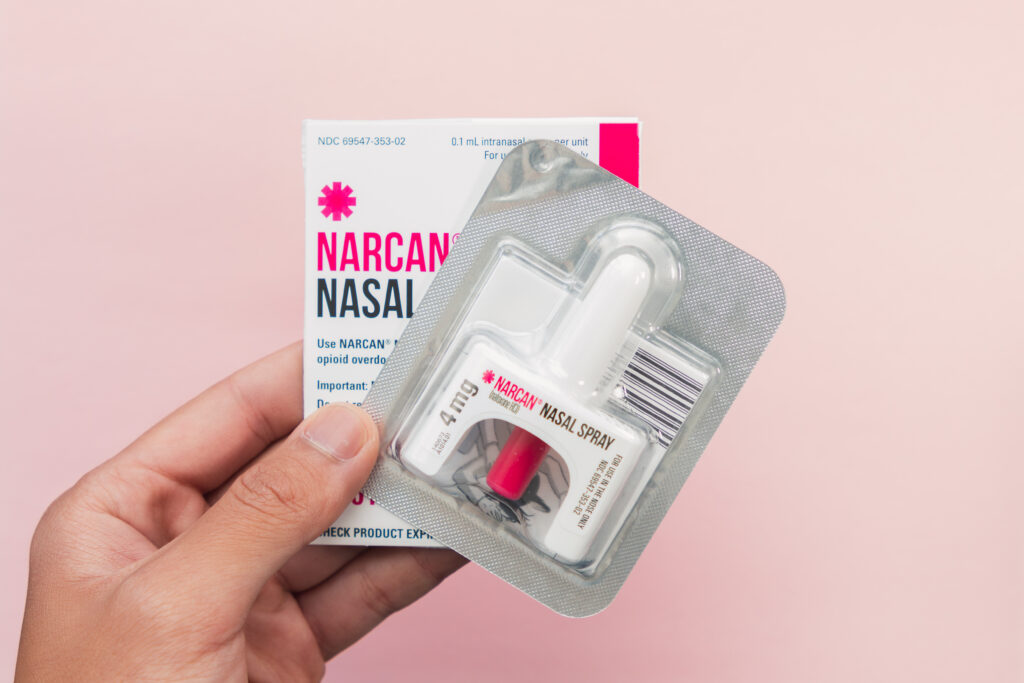
Naloxone is a safe medication that can quickly reverse the effects of an opioid overdose. The Centers for Disease Control and Prevention (CDC) notes that it can restore normal breathing within minutes, giving a person a second chance of recovery. In Washington State, naloxone is available without an individual prescription through pharmacies and community programs. Many Comprehensive Healthcare clients can also get naloxone at a Comprehensive facility at no cost. “By the time I meet my patients for the first time, the majority have received naloxone for an opioid overdose. Without the widespread availability of naloxone, they would not be alive to have a chance at recovery,” says Dr. Gillian Zuckerman, Medical Director for Additions at Comprehensive Healthcare. Keeping naloxone on hand is a simple but powerful way to protect loved ones and neighbors.
Our Commitment to Community
Comprehensive Healthcare is committed to ensuring that help is close to home in central Washington. Across Yakima, Sunnyside, Ellensburg, the Tri-Cities and Walla Walla, we provide a full continuum of evidence-based SUD services in English and Spanish. These include assessments, outpatient treatment, individual and group counseling, continuing care, adolescent services, and integrated treatment for co-occurring mental health and substance use disorders.
In Yakima, Comprehensive Healthcare’s Opioid Treatment Program (OTP) offers same-day assessment for SUD treatment, allowing eligible individuals to begin care, and in some cases receive medication the same day they seek help. Our integrated approach pairs each person receiving medications for opioid use disorder with a dedicated counselor and medical provider, with access to individual counseling, peer support, case management, and group therapy. Available medications include methadone, buprenorphine products such as Suboxone, Subutex, Sublocade, and Brixadi, as well as naltrexone and Vivitrol. Use of mediations for opioid use disorder has been shown to cut opioid overdose risk by nearly half. By combining medication, behavioral health care, and ongoing support, we help individuals and families build a strong foundation for recovery.
Our Youth and Family Tree Services and Hub and Spoke teams provide additional outreach and substance use assessments, helping individuals, youth and families connect with care when and where they need it most.
Recovery is Possible
Treatment saves lives. According to the CDC, receiving treatment for opioid use disorder significantly reduces the risk of overdose and improves long-term health outcomes. By recognizing the signs of overdose, carrying naloxone, and supporting access to treatment, we can all help build healthier, safer communities. Recovery is possible, and help is closer than you think.
