
Yakima County recorded 145 overdose deaths in 2024—a rate of 62 deaths per 100,000 residents, the second-highest in Washington State. Behind every statistic is a person, a family, and a community affected by the growing behavioral health and substance use crisis. As the need for timely, coordinated care continues to grow, Comprehensive Healthcare is investing in a solution that will make it easier for individuals to access life-saving treatment and support.
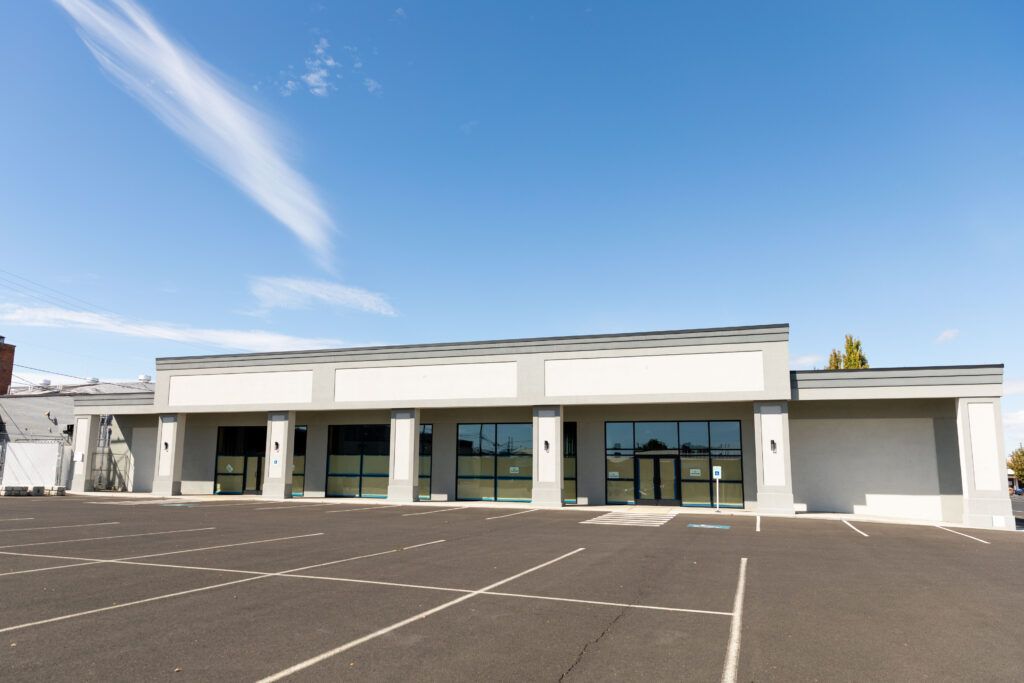
The creation of Comprehensive Healthcare’s new Behavioral Health Hub (BHH), located at 14 South 5th Avenue in Yakima, represents a significant investment in the future of behavioral healthcare in Central Washington. More than just a new building, the BHH is designed to bring together essential behavioral health and substance use disorder services in one location, making it easier for people to get the right care at the right time.
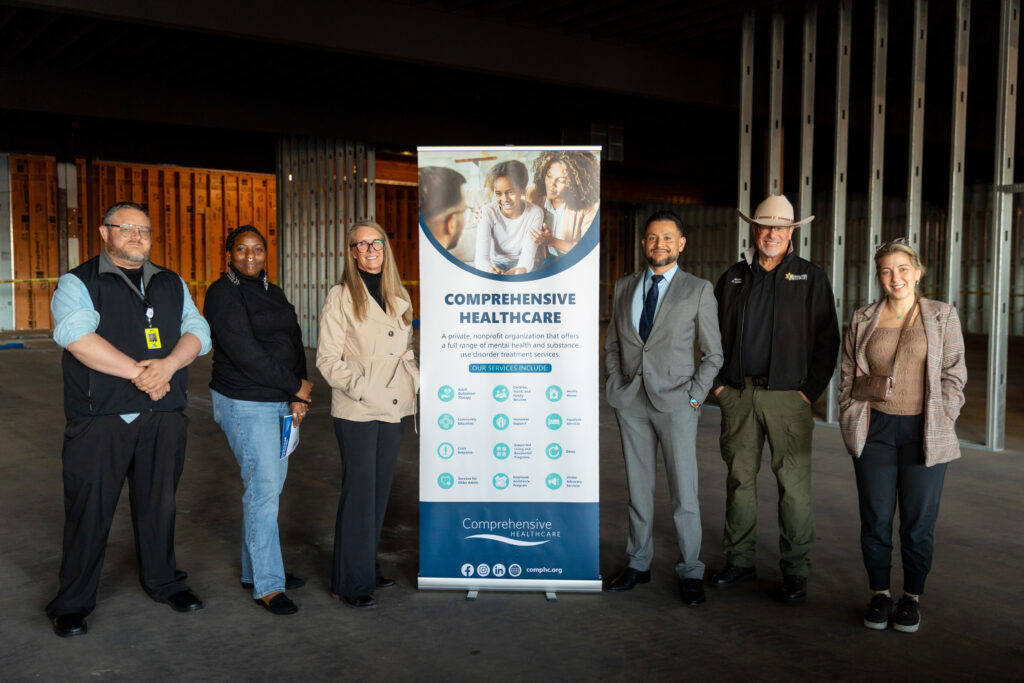
The BHH will house an expanded Opioid Treatment Program (OTP), a 24/7 Crisis Relief Center (CRC), and the Hub and Spoke program. Together, these services will create a seamless pathway to care, allowing individuals to move more quickly from crisis to treatment, recovery, and ongoing support.
For Dr. Gillian Zuckerman, the purpose of the Hub is simple. “In my mind, the Hub is all about expanding access.”
One of the most significant benefits will be the expansion of Comprehensive Healthcare’s Opioid Treatment Program, allowing the organization to safely serve more people with opioid use disorder through evidence-based medications such as methadone and buprenorphine. The additional space is expected to nearly double the number of clients the program can serve, helping meet the growing need for treatment across the region.
The new Crisis Relief Center will also provide immediate, 24/7 access to behavioral healthcare and medications for opioid use disorder (MOUD) for individuals in crisis.
Dr. Zuckerman describes the Crisis Relief Center in simple terms. “It took me a long time to understand what a CRC is. Then it finally hit me—it’s an emergency room for behavioral health crises. It’s behavioral health’s opportunity to serve emergent substance use disorder and mental health needs within a completely integrated care model, really assess each person’s needs, and connect them to the appropriate next level of care, whether that’s detox, inpatient treatment, a co-occurring treatment program, a hospital, or returning home with medications and outpatient follow-up.”
The ability to respond immediately is critical. “Delays in entry into substance use disorder care are deadly. The closer we can tie the motivation to the availability of treatment, the more lives we can save,” says Dr. Zuckerman.

The Hub and Spoke program will complete the continuum of care by helping individuals stay connected to treatment and recovery services after their initial visit. Together, these three programs will provide a coordinated, person-centered approach that reduces barriers to care and improves the overall experience for clients.
“As I see it, Hub and Spoke’s role at the BHH will also help improve transitional care when a patient moves from a managed behavioral healthcare setting back to the community,” says Marc Shellenberger, Team Leader for Hub and Spoke in Yakima. “These transitions are critical because patients with complex healthcare needs often face multiple providers and new care instructions that lead to confusion and adverse outcomes if not managed properly with support and follow-up.”
Beyond helping individuals, the Behavioral Health Hub is expected to benefit the entire community. Earlier intervention and coordinated, multi-disciplinary care can help prevent behavioral health crises from escalating, reducing avoidable hospitalizations, emergency room visits, and overdose events. The BHH will also strengthen collaboration with hospitals, emergency medical services, law enforcement, and community organizations by creating more efficient referral pathways and improving access to care.
For Jon Schlenske, Clinical Supervisor for SUD Workforce and Development with Comprehensive Healthcare, the Hub is about creating a stronger system of care that better serves individuals and the community. “Overall, our Behavioral Health Hub will improve access, reduce fragmentation, and provide comprehensive, person-centered care for individuals who are suffering. By providing services in a coordinated setting, we can improve treatment retention, reduce overdose deaths, and strengthen long-term recovery opportunities” adds Schlenske.
The project continues to move forward. Comprehensive Healthcare purchased the building in November 2024, and project design is currently underway. Construction and renovation are anticipated to begin in Spring 2027, followed by technology installation, furniture and equipment placement, final inspections, and occupancy in Fall 2027.
The Behavioral Health Hub reflects Comprehensive Healthcare’s commitment to ensuring that every person has access to compassionate, evidence-based care when they need it most. By bringing crisis services, medications for opioid use disorder, and coordinated community support together under one roof, the BHH will help more people begin treatment sooner, remain engaged in recovery, and build healthier futures.
